The Brain in Control: How Intelligent EBikeKit Conversion System Changes the Way We Ride
In the field of ebike conversion, hardware is often the first thing people talk about: the power of electric hub motor, battery capacity, and how far the ebike kit can go on a single charge. But what truly determines whether a fit ebike system is genuinely easy to use and capable of supporting a rider over the long term is not just these visible specifications—it’s the hidden digital “brain” working behind the scenes.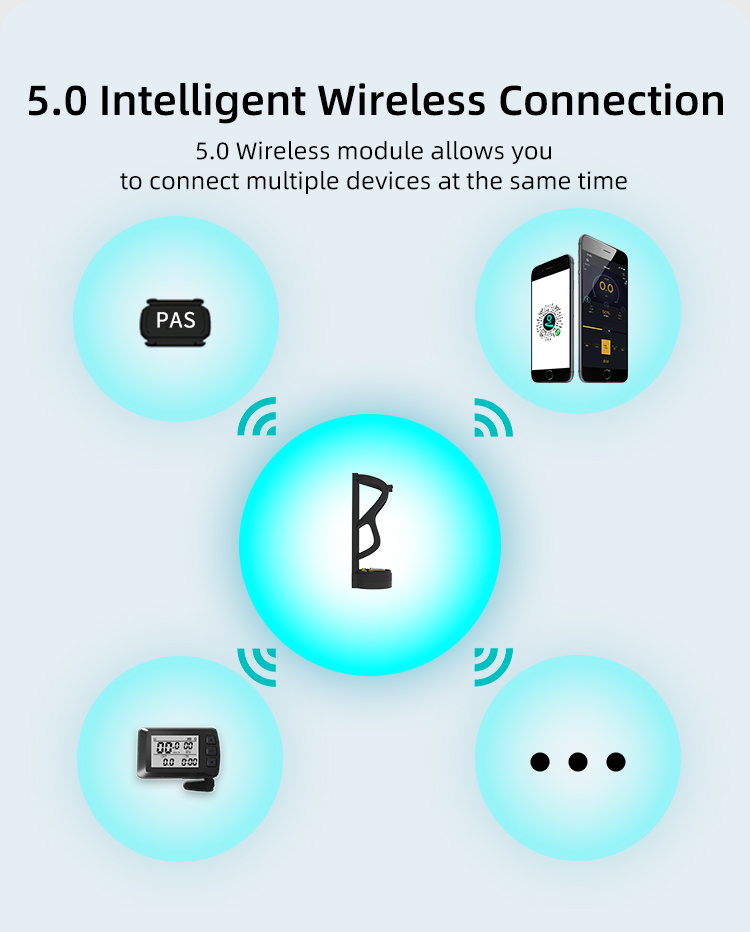
For LVBU factory, ebike modification has never been just about installing an electric motor for bicycle. It’s about creating real connection between the rider and the bike through the coordination of the ebikeling controller and the mobile app. This kind of intelligent, rider–bike interaction is what allows a traditional electric bicycle kit to evolve into a smart ebike diy system that truly understands the rider.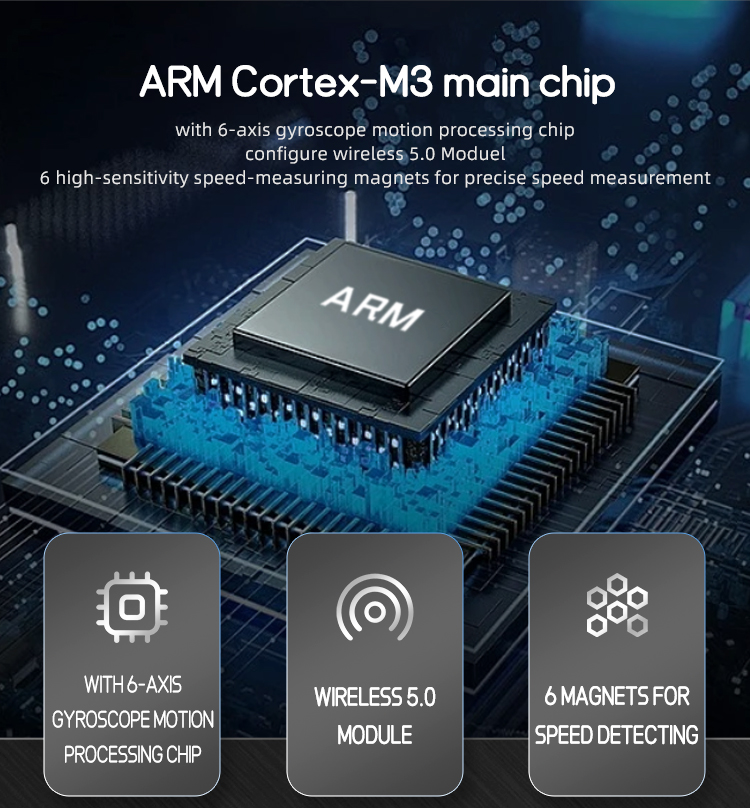
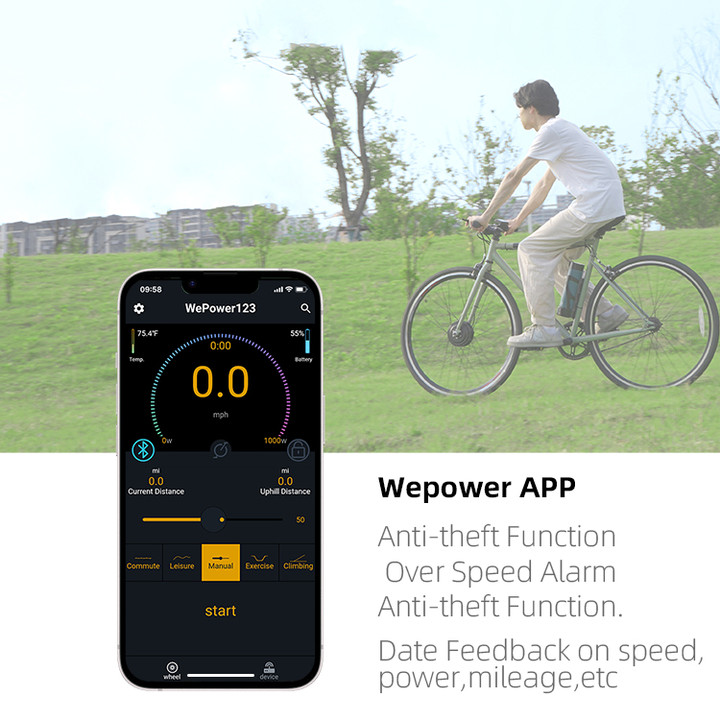
At the core of intelligent riding lies precise control over assistance. Unlike early skarper e bike system that offered little more than a simple on/off switch, LVBU pedelec e bike kits, through the combined work of the controller and the app <WePower>, enable multiple adjustable assistance levels. Riders can freely choose the level of support based on their own fitness, changing road conditions, and how they feel on a given day. During relaxed cruising on flat roads, a low assistance level preserves a natural riding rhythm; when facing hills or headwinds, increasing the assistance provides more direct power support. This smooth, controllable delivery of power keeps the ride consistently fluid, rather than feeling abruptly “pushed along” by a bicycle hub motor.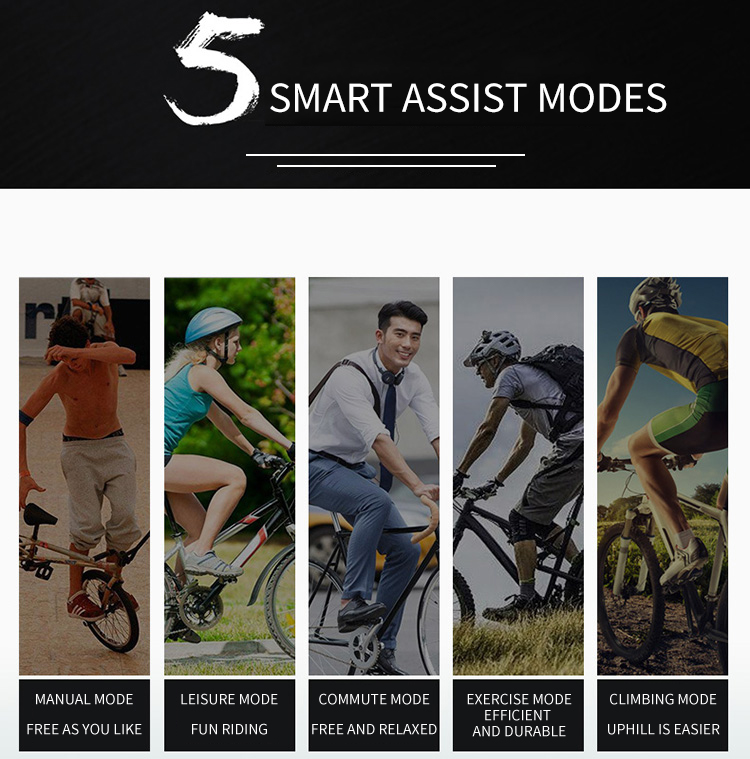
Intelligent control also plays a crucial role in speed management. Through settings in the app or on the display, riders can set reasonable limits on the maximum assisted speed. This not only helps comply with cycling regulations in different regions, but also makes riding safer and more predictable. For many commuters, a stable and controllable pace matters far more than simply going faster. Thoughtful speed management is a key step in transforming e-assist from a mere power tool into a true riding companion.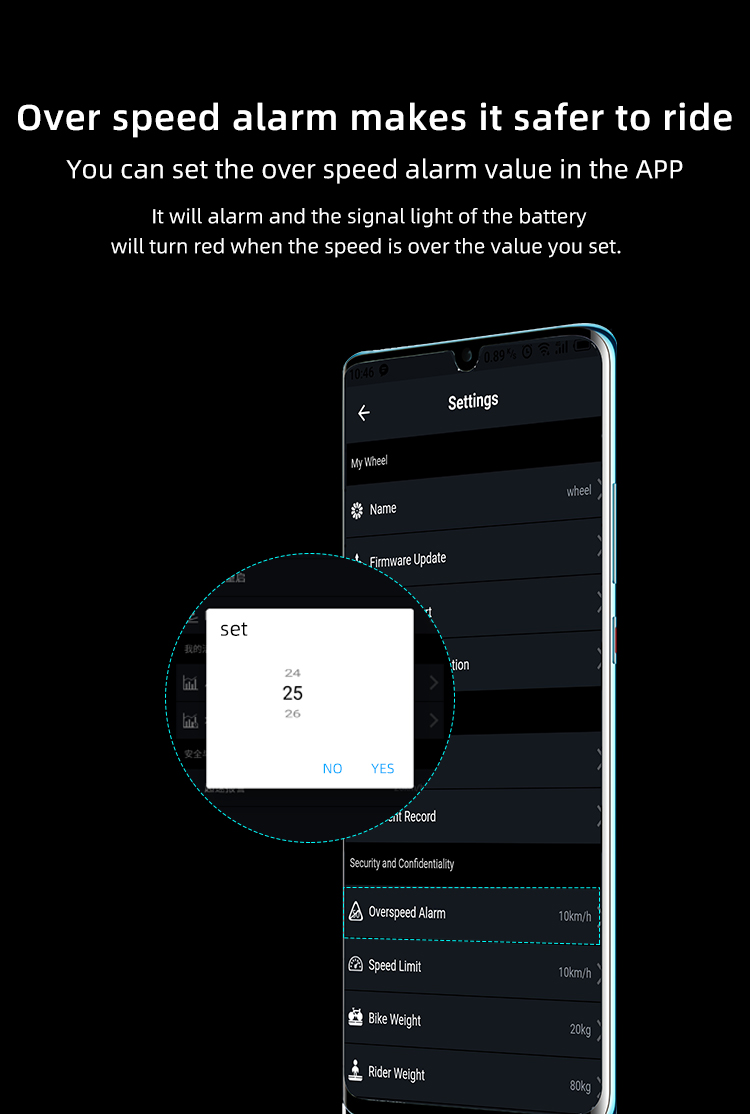
The recording and presentation of riding data are among the most intuitive aspects of the intelligent experience. By connecting to the control system, the app can display key information in real time, including riding speed, distance traveled, assistance level, and battery consumption. These data points not only make the ride more “visible,” but also help riders better understand their own habits. For example, by comparing energy consumption at different assistance levels on the same route, riders can gradually find the settings that suit them best, striking a balance between effort and range. Over time, data becomes more than just numbers—it turns into a valuable reference for refining the riding experience.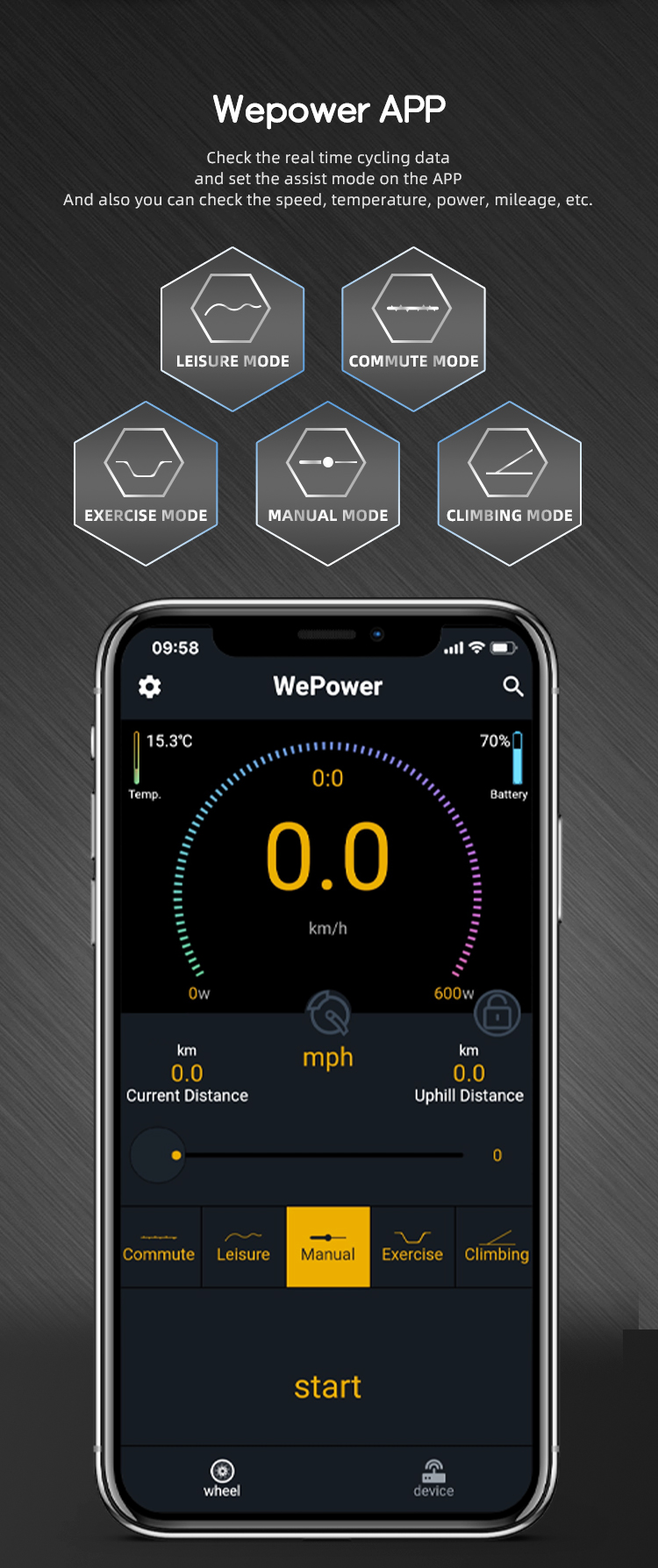
The value of an intelligent electric assist system also lies in its unified management of the entire hardware setup. Through the app, users can clearly view the system’s operating status and quickly identify any abnormal information. This ability to detect issues early significantly reduces the risk of unexpected problems during a ride. For those using electric bicycle conversion kits, this is especially important, as it transforms maintenance from something based largely on experience into a process that is clearer, more transparent, and more controllable.
In terms of safety, intelligent systems also play an essential role. Through thoughtful system logic, certain functions help reduce the risk of misoperation or unintended activation. When the bike is in specific states, the system can limit power output or provide clear feedback/error messages, helping to prevent unnecessary risks. This kind of “invisible” protection is one of the core reasons intelligent controllers exist.
More importantly, the intelligence LVBU factory emphasizes is never about complexity for its own sake. Whether in the app’s user flow or the controller’s functional design, the core goal is always to lower the barrier to use. Even riders new to e bike umbausatz hub motor kit can quickly understand and complete setup through a clear interface and intuitive feedback. Smart does not mean complicated—on the contrary, a truly mature intelligent system should make riding simpler, not harder.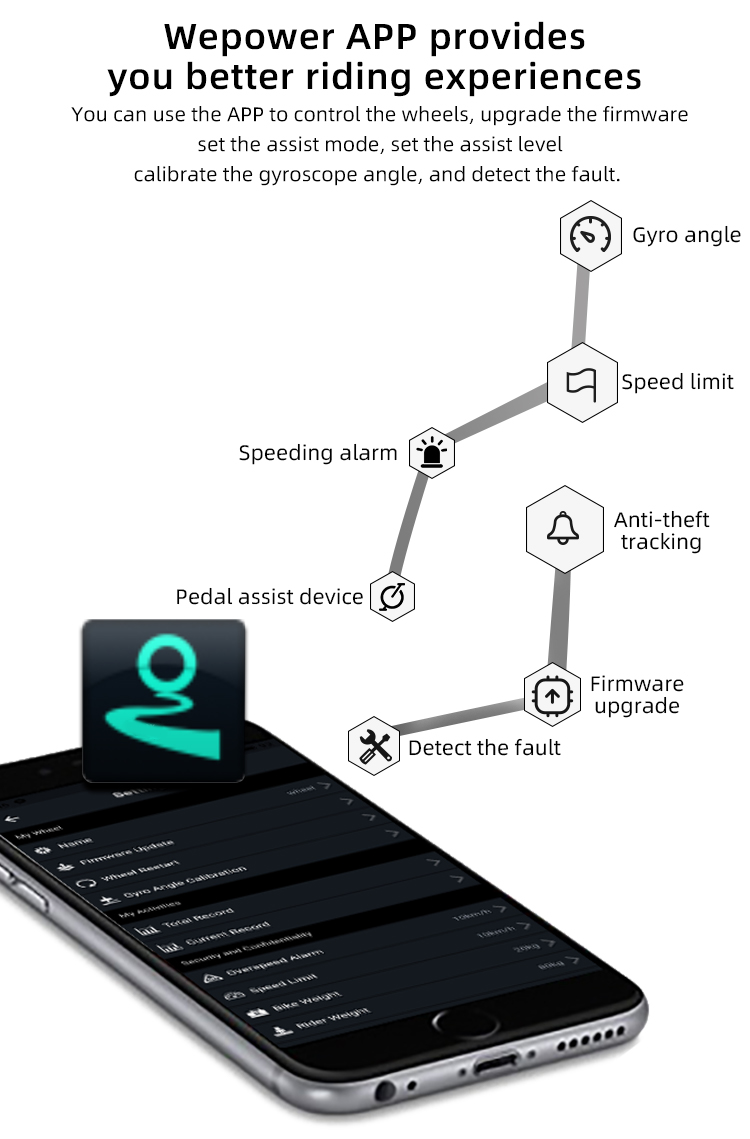
From a longer-term perspective, this kind of rider–bike connectivity also reshapes the way people ride. When riders can flexibly adjust assistance to suit their needs, and when data helps them manage their energy more intelligently, cycling is no longer just about physical exertion—it becomes a sustainable and manageable mode of everyday transport. As a result, many people who once gave up cycling because of distance or terrain are finding their way back onto a bike.
The ultimate goal of ebike conversion kit system is not to turn a bicycle into something else, but to encourage more people to ride farther and ride longer. Through the “intelligent brain” formed by the controller and the app, LVBU is putting this idea into practice. When technology steps out of the spotlight and quietly serves the act of riding itself, that is when intelligence truly shows its value.
Perhaps the future of cycling won’t require more complex equipment, but systems that better understand the rider. And it all begins with this invisible “brain.”